When people think about air pollution, they often picture traffic, factories, or city smog. Yet the air inside our homes can sometimes be worse than what is outside.
Indoor Air Quality, often called IAQ, refers to how clean and healthy the air is inside a building. It includes things like dust, humidity, allergens, and chemical particles that move through the air.
Since most people spend nearly all of their time indoors, the quality of that air makes a big difference in how we feel each day.
What Causes Poor Indoor Air Quality
There are many everyday things that can lower the quality of indoor air. Some are easy to notice, while others are hidden.
• Lack of fresh air or poor ventilation
• Gases or particles from cooking and heating appliances
• Chemicals from cleaning products, paint, or new furniture
• Dust, pet dander, and pollen that collect over time
• Moisture that allows mold or mildew to grow
Even pleasant smells, such as scented candles or air fresheners, can add unwanted particles to the air if used often.
How Poor Air Can Affect Health
When indoor air is not clean, the effects can be subtle at first. You might feel tired, get headaches, or notice a scratchy throat. Over time, poor air can trigger allergies, breathing problems, or asthma symptoms.
Bad air also affects sleep quality and energy levels. Clean air supports the immune system, helps you think clearly, and keeps your body feeling balanced.
Easy Ways to Improve Indoor Air
1. Bring in fresh air
Open windows when weather allows. Use exhaust fans in kitchens and bathrooms to help move stale air outside.
2. Change filters often
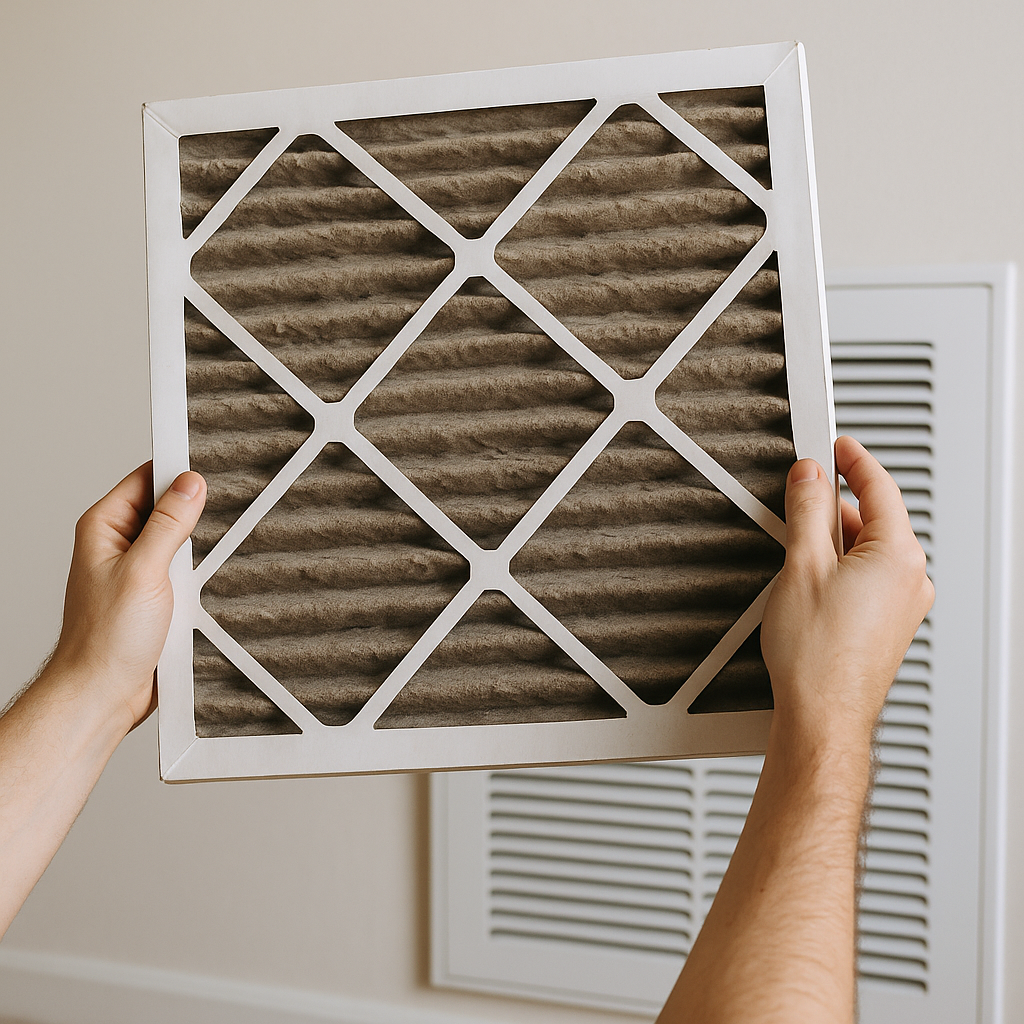
Replace air filters in your heating and cooling system on a regular schedule. Clean filters improve airflow and remove dust and particles.
3. Keep humidity in balance
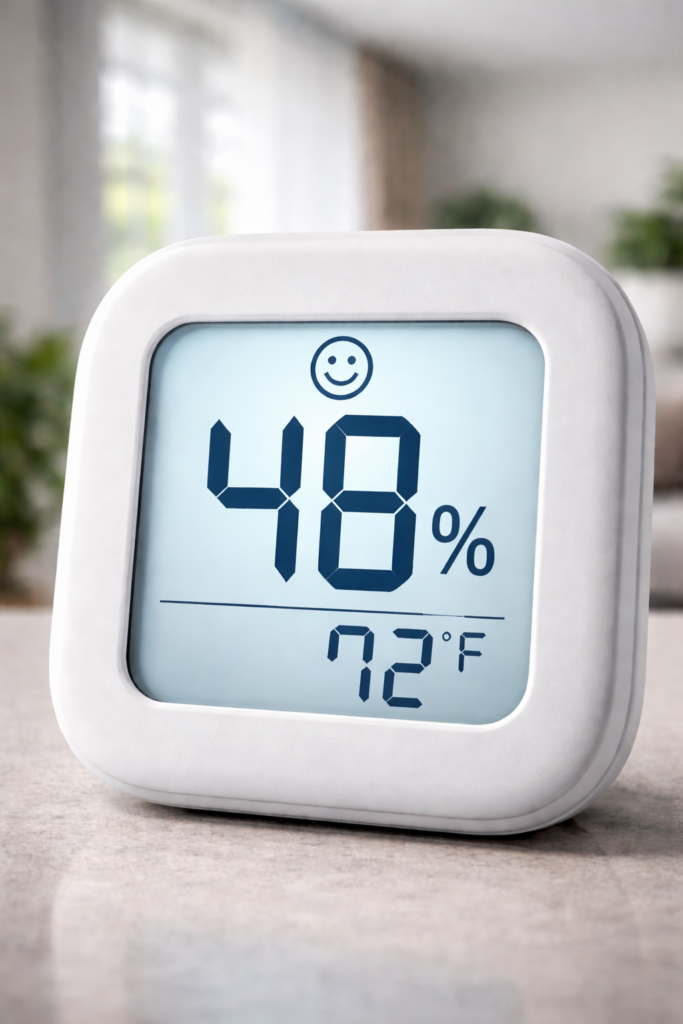
Air that is too dry can irritate skin and airways, while too much moisture can cause mold. Try to keep indoor humidity between thirty and fifty percent.
4. Choose safer products
Use gentle cleaners and paints made with fewer chemicals. Natural products help keep indoor air cleaner.
5. Schedule a professional inspection
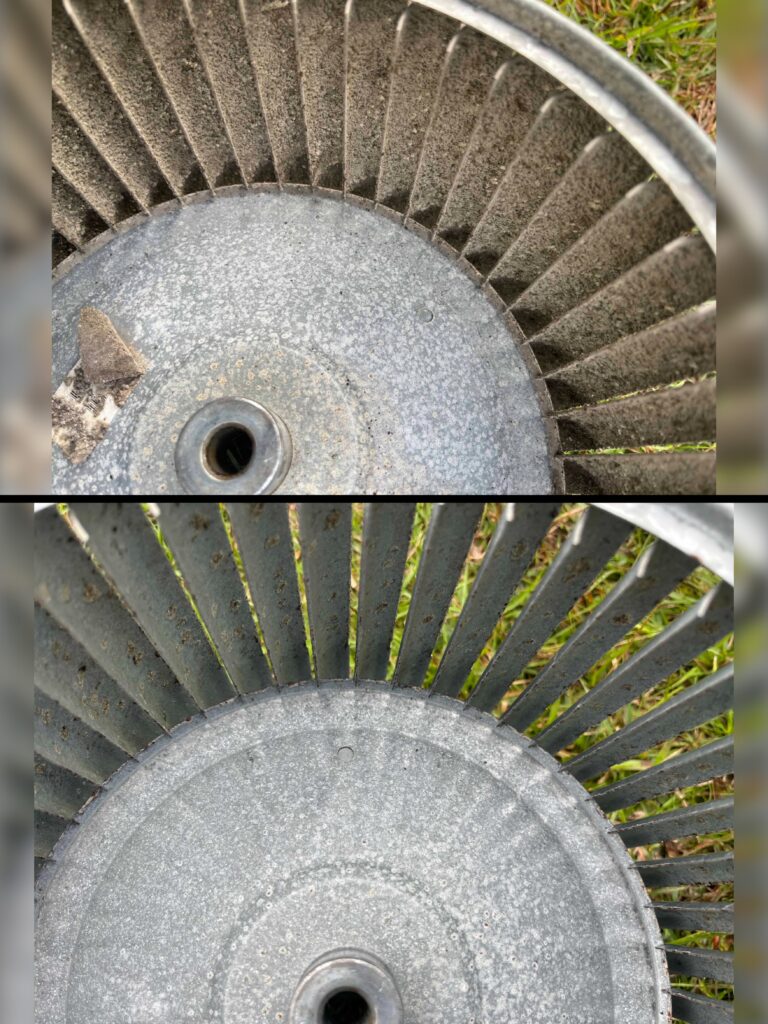
An HVAC professional can test air quality, clean ducts, and recommend ways to improve your home’s air.
Why Good Air Matters
Clean air makes a home more comfortable and healthy. It can reduce illness, prevent odors, and even help your HVAC system last longer. Families with children, seniors, or pets benefit the most from better indoor air.
Final Thoughts
Improving indoor air quality does not always require a big project. Small actions, like opening windows, replacing filters, or keeping humidity in check, can make a real difference.
If you want to breathe easier, start with a few of these simple steps today. The air inside your home shapes how you feel, and cleaner air always means a healthier space for everyone.